INTRODUCTION
Cerebral palsy (CP) is a neurodevelopmental disorder characterized by impaired motor control, muscle tone abnormalities, and difficulties in coordination and posture. These deficits frequently extend to the orofacial system, affecting speech, swallowing, and facial expression. Conventional rehabilitation approaches primarily target gross and fine motor skills, while orofacial function particularly oral control and lip closure often remains insufficiently addressed.
Recent interdisciplinary advances emphasize the integration of sensorimotor and postural systems in orofacial therapy. Studies have shown that targeted oral-sensorimotor interventions can improve lip, cheek, and tongue coordination in patients with CP,1 and that neuromodulatory techniques combining action observation and motor imagery can enhance orofacial sensorimotor control.2 Systematic reviews confirm that oral-sensorimotor therapy remains a cornerstone of dysphagia rehabilitation in CP,3 while neurophysiological evidence supports effector-specific adaptation mechanisms underlying targeted orofacial interventions.4
Within this framework, the CODONIS ORB device is a Class I medical device designed as a vestibular myofunctional therapy tool. The device rests gently between the lips and teeth to support full lip closure, stimulates and strengthens the orofacial muscles, encourages correct tongue posture, and promotes nasal breathing due to complete lip closure. It has been developed as a novel therapeutic device designed to support neuromuscular reorganization through vestibular and orofacial stimulation. By combining controlled movement patterns with proprioceptive feedback, the device facilitates improved oral control and self-regulation in patients with complex neurological conditions. By combining controlled movement patterns with proprioceptive feedback, the body’s natural sense of position and movement, the device helps patients become more aware of and better control their oral muscles. The goal is to highlight a new therapeutic pathway vestibular myofunctional therapy that bridges neurorehabilitation and orofacial therapy to achieve sustainable functional outcomes.
This case report presents the application of the CODONIS ORB in a patient with cerebral palsy, demonstrating how individualized adaptation, caregiver participation, and consistent daily training can lead to measurable improvements in orofacial stability and functional integration.
Clinical Case Presentation
The patient, a 52-year-old male born with spastic cerebral palsy accompanied by generalized motor impairments that profoundly affected his orofacial function was referred to Logopädische Praxis Elisabethen, Basel, Switzerland. Since childhood, he exhibited persistently open-mouth posture, basal tongue position, narrow high palate, and uncontrolled salivation. Speech was barely intelligible despite his strong desire to communicate, and eating or drinking required constant assistance due to the high risk of aspiration. These limitations led to lifelong dependence on caregivers and therapists, social isolation, and the emotional burden of not being fully understood or accepted.
Initial Evaluation
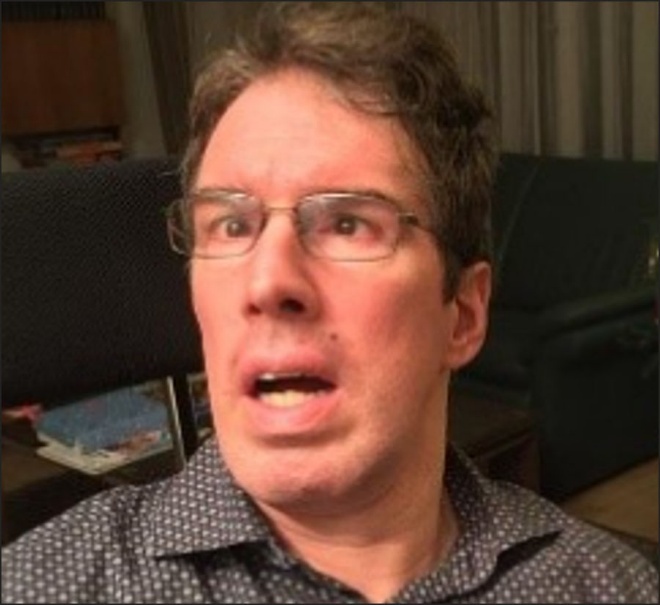
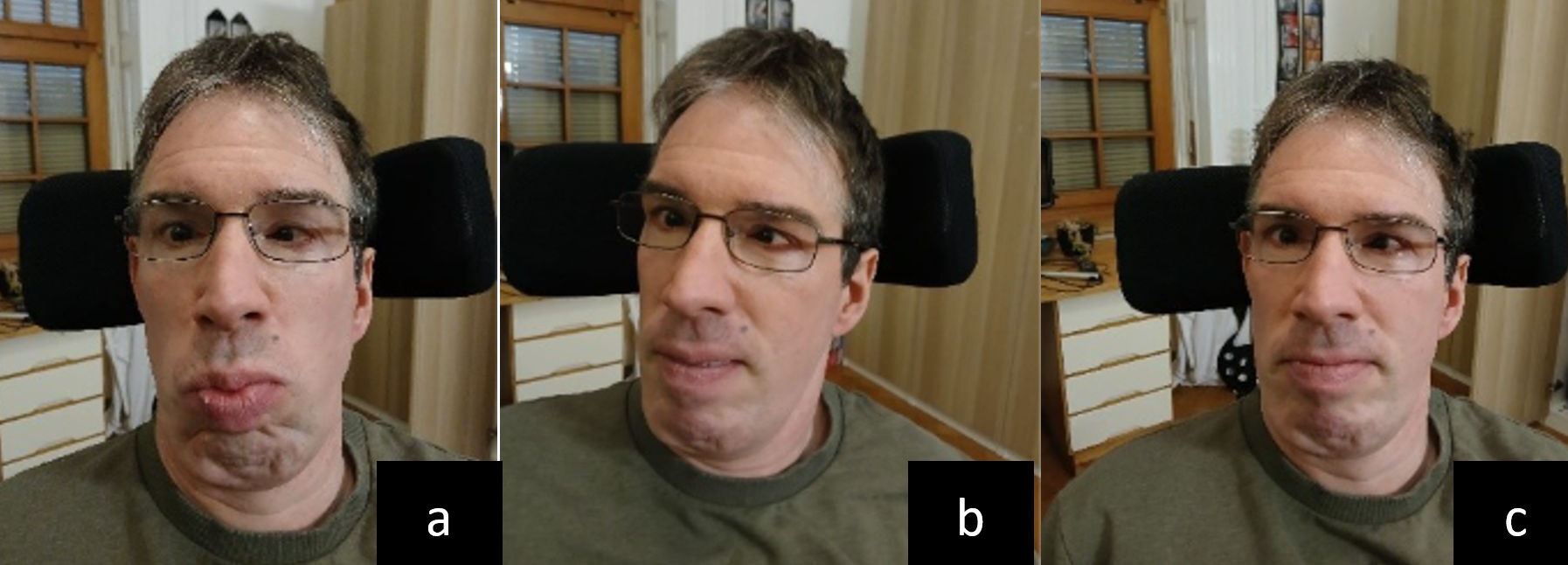
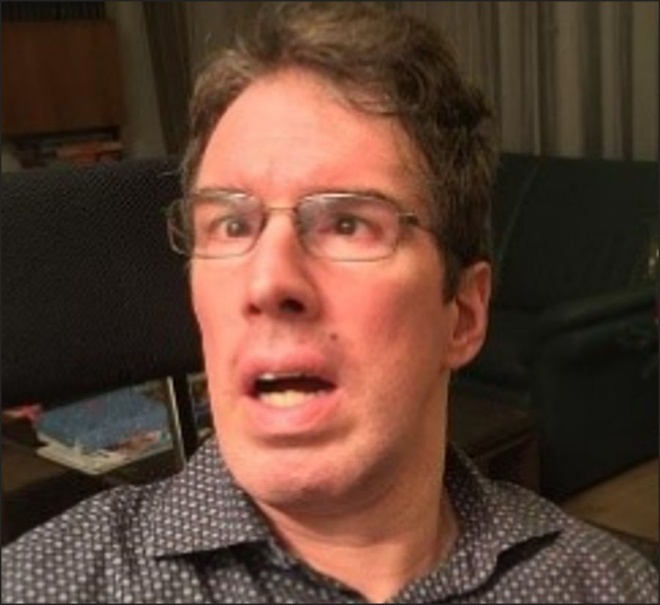
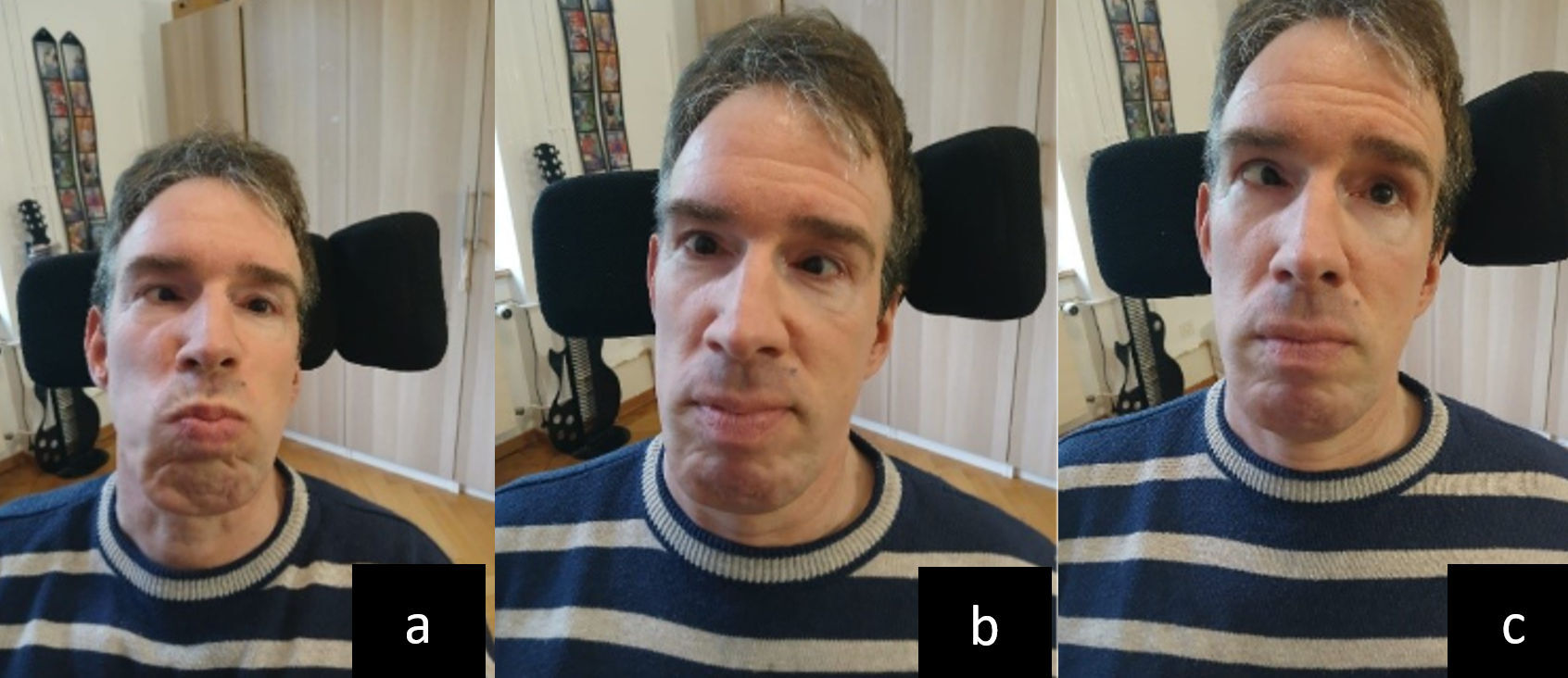
The patient presented with long-standing spastic cerebral palsy characterized by facial asymmetry, limited lip closure, and impaired swallowing. Clinical examination revealed marked facial asymmetry, poor orbicularis oris tone, restricted orbicularis oculi coordination, and generalized spasticity of the perioral musculature. The tongue lay inactive in the floor of the mouth, and saliva flowed freely, collected in a collar. Verbal comprehension was intact, but articulation and phonation were severely limited by the lack of coordinated muscle control. (Figure 1)
Myofunctional Therapy-also called Orofacial Myofunctional Therapy (OMT)- aims to treat Orofacial Myofunctional Disorders (OMDs) through re-programming of musculature and respiratory patterns. Myofunctional appliances offer a non-invasive and holistic approach to occlusal rehabilitation for proper mouth closure, jaw positioning, sleep apnea, cleft lip/palate, tongue tie and speech disorders focusing on correcting underlying oral habits to promote optimal oral health, form and function.
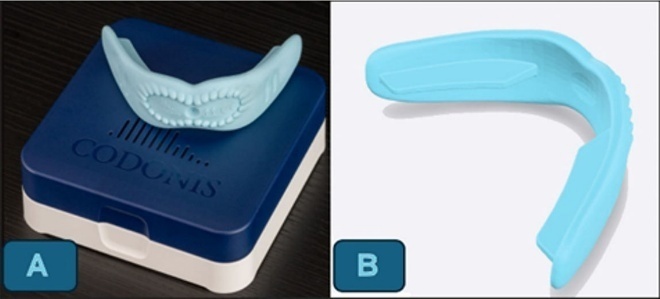
CODONIS ORB is a vestibular muscle stimulation device that falls under the category of Myofunctional Trainers (Figure 2). This works on the principle of biomechanical kinetics: the study of movement- a form of therapy that uses muscle monitoring (biofeedback) to look at what may be causing ‘imbalances’ in the body and attempts to relieve these imbalances through "targeted stimulation" harnessing the ‘acupressure points’ directed to the specific muscles in the oral vestibule- that are connected to the meridians of the body. The CODONIS ORB device stimulates the orbicularis oris muscles to address specific oral habits and restore functions and coordination of the orofacial muscles. A detailed longitudinal case observation of functional changes associated with use of the CODONIS ORB device in an adult with severe cerebral palsy is presented here.
_codonis_orb_vestibular_muscle_stimulation_device._the_device_enables_complete_lip_closu.jpeg)
The therapeutic goal for vestibular myofunctional therapy in this case was to achieve lip closure, improve swallowing, and enhance oral control through neuromuscular reorganization and orofacial rehabilitation.
Therapeutic Approach
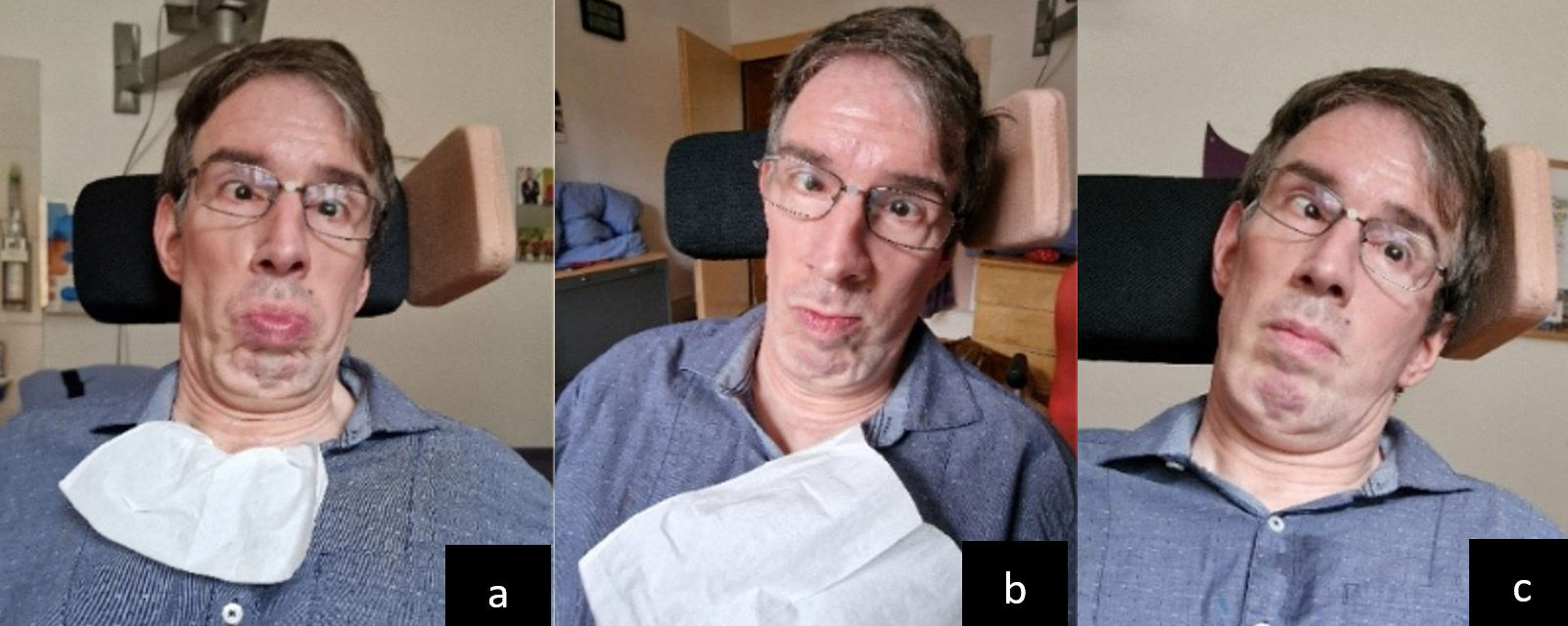
A personalized CODONIS ORB protocol was introduced to address these deficits through controlled activation of the perioral and periocular musculature. The therapy was designed around the concept of vestibular myofunctional stimulation- integrating posture, breathing, and sensorimotor feedback. Individual adaptation considered the patient’s overall physical condition and orofacial reactions, with precise observation of whole-body responses during each application to ensure sustainable of new movement patterns and self-control mechanisms in the orofacial area. (Figure 3)
The therapeutic setting was carefully structured: a dedicated team of caregivers participated alongside the patient, guided by an instructor who provided motivation, coordination, and documentation. Training was integrated into daily life, performed for few minutes per day (personalized therapy plan) in an upright posture with nasal breathing. The patient’s motivation and family support were decisive factors in maintaining consistency and engagement.
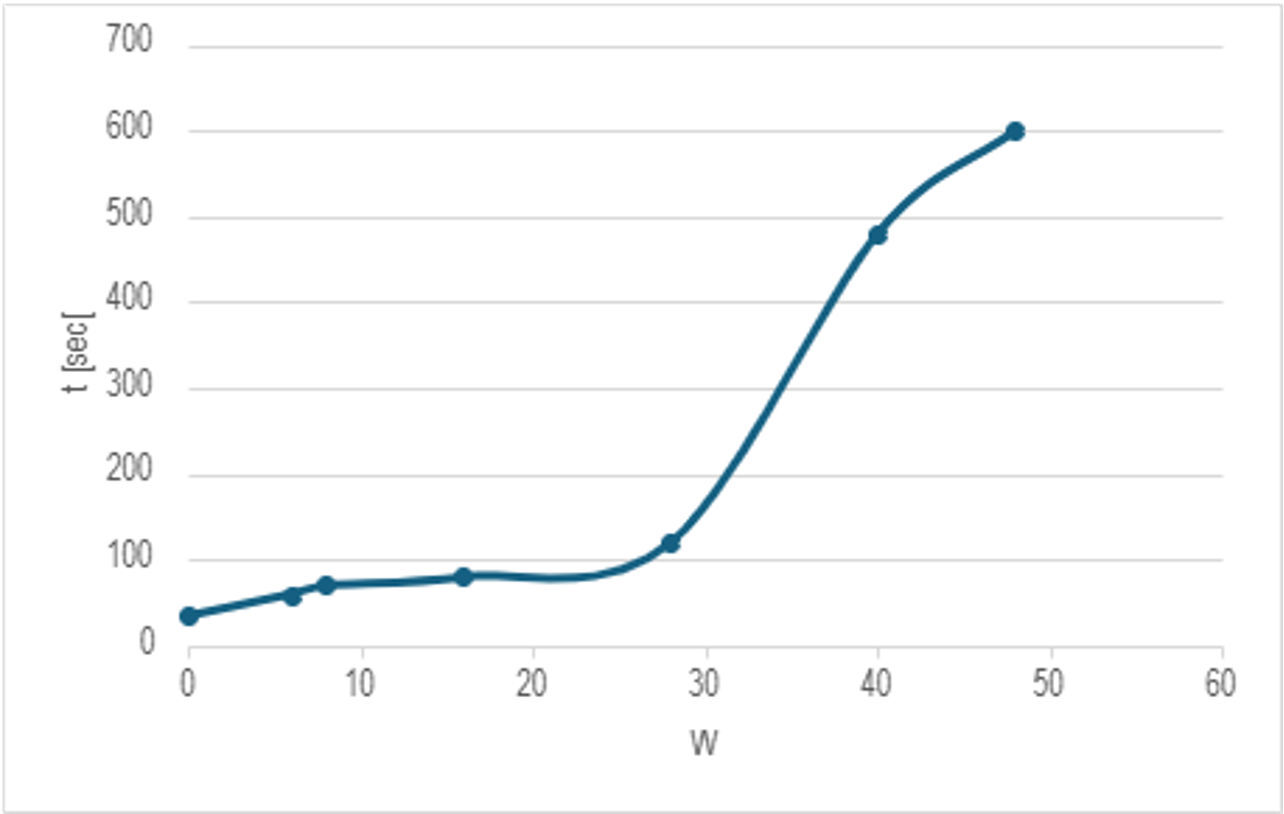
The patient trained daily following the personalized therapy plan outlined by the therapist (Figure 4) that started with 5 seconds of wearing the device per day with gradual increase to 10, 20, 35, 60 and 80 seconds and increased slowly up to 10 minutes, based on the patient’s ability to tolerate the device in the mouth to maintain complete lip closure, upright posture and nasal breathing. Initially it took 35 seconds of training with the device before the patient was able to close the lips to maintain a complete lip seal for 5 seconds. After six months, visible improvement in facial symmetry and oral competence was documented. At 10 months, the patient achieved spontaneous lip closure, smoother swallowing, and improved eye–mouth coordination. Photographic comparison confirmed enhanced muscle tone and reduced spasticity. No adverse effects were reported, and compliance remained high, supported by continuous caregiver supervision.
Personalized Therapy Plan
The CODONIS ORB therapy plan was tailored to meet the patient’s specific functional needs. Initially, the patient struggled to close the lips and could tolerate the device for only a few seconds, requiring manual assistance. To ensure comfort and compliance, therapy began with very short wearing intervals that were gradually extended as tolerance improved. This progressive approach prevented fatigue and supported steady adaptation (Figure 5).
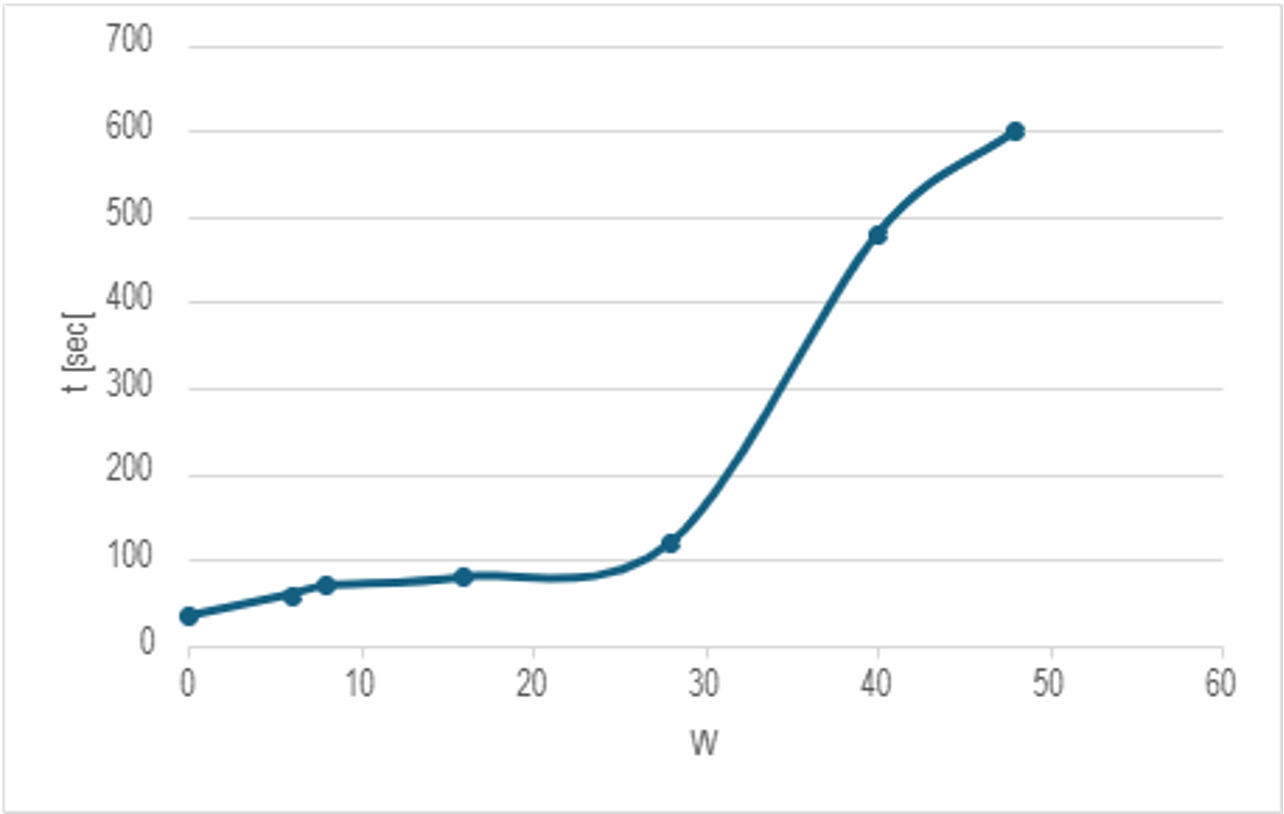
To summarize the progression of CODONIS ORB therapy over the intervention period, including device tolerance and corresponding clinical observations observed to highlight the progressive milestones accompanied by functional rehabilitation in oral competence, facial muscle coordination, swallowing function, and facial symmetry. A gradual increase in tolerated therapy duration was observed, accompanied by progressive improvements in lip competence, oral motor control, nasal breathing, swallowing function, and facial symmetry. While causality cannot be established in a single-case report, the temporal association between therapy progression and functional improvements provides a basis for further clinical investigation (Table 1).
Improvement and Outcome
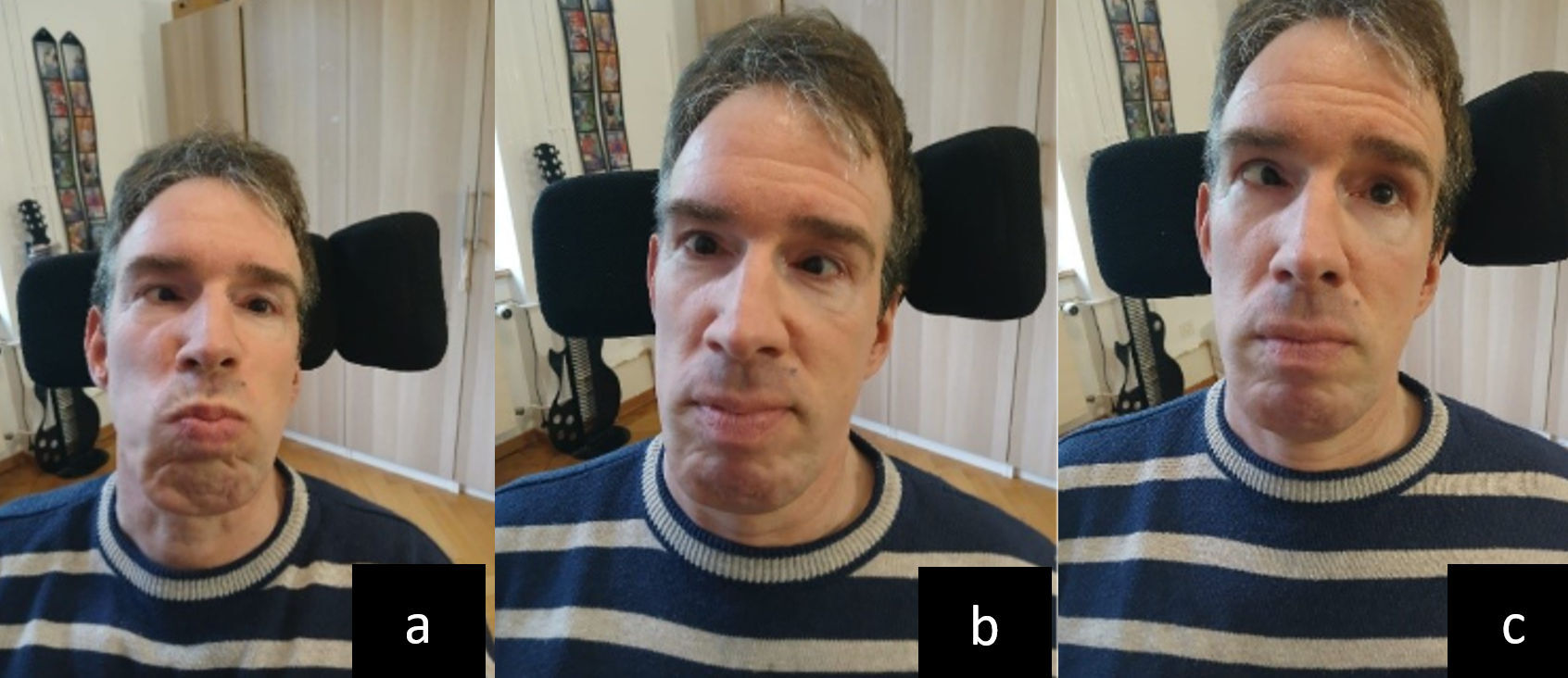
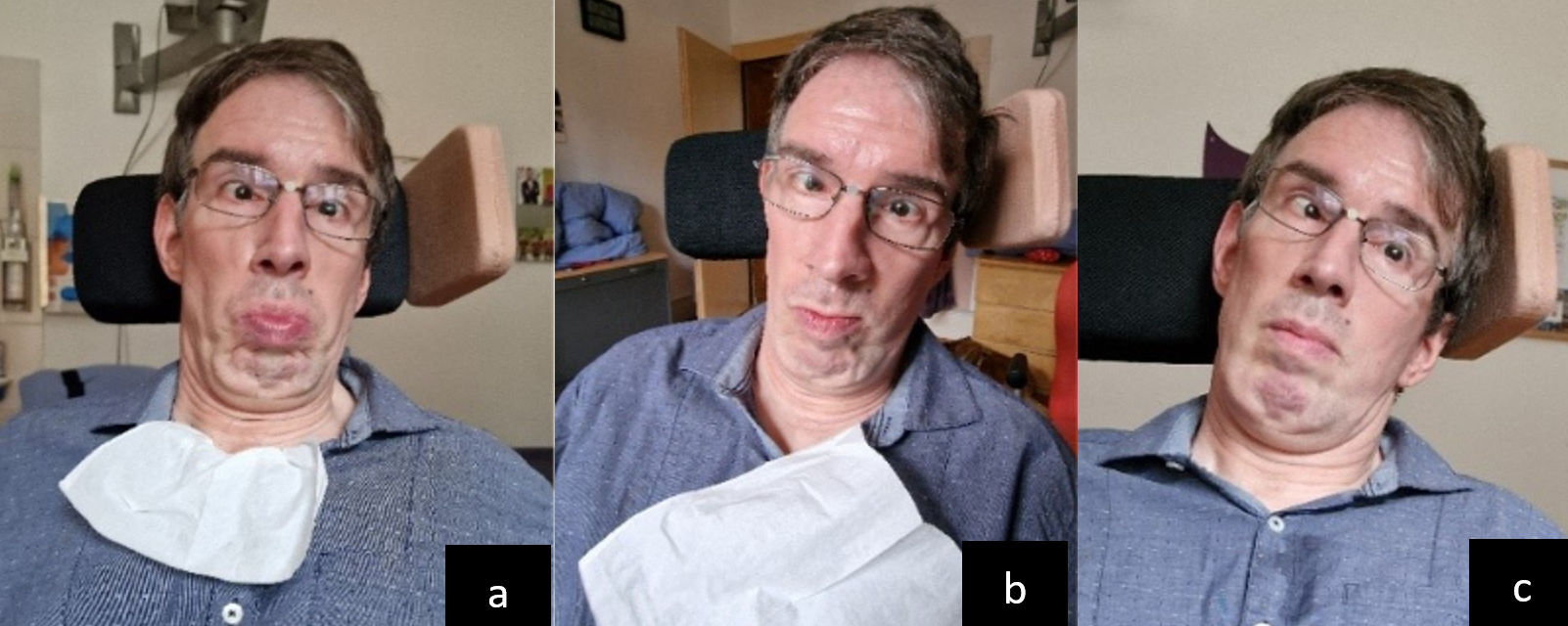
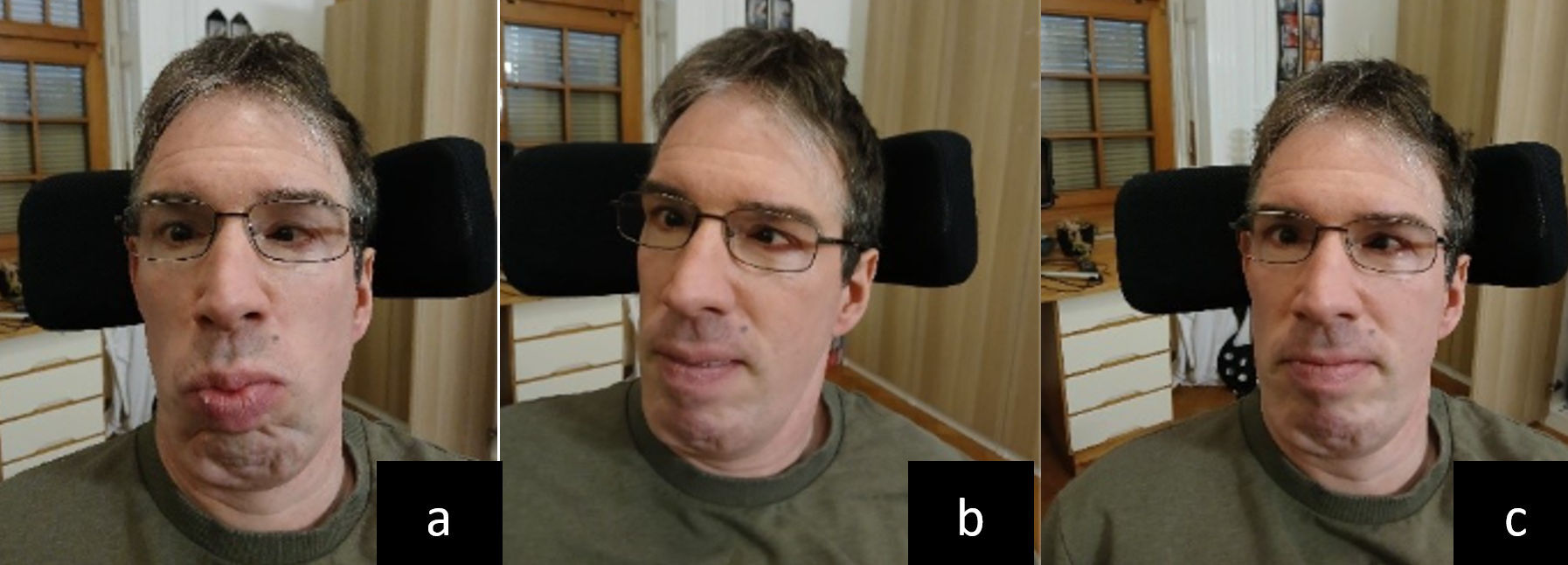
Over time, what began as minimal progress evolved into meaningful functional change. The facial muscles relaxed, the expression became more balanced, and at age 52, the patient acquired new neuromuscular skills—such as eating and coughing with the mouth closed. These seemingly simple actions marked significant milestones in orofacial coordination and airway integration with 10 months of therapy (Figure 6). The use of CODONIS ORB device may contribute to the functional improvements occurred during the interventional period.
Functional Progress
After ten months of consistent training, the patient was able to chew and swallow independently with his mouth closed for the first time. The constant risk of aspiration, previously a major concern, was significantly reduced. Control over the oral cavity led to broader postural and sensorimotor improvements—the gaze became more alert, the posture more stable, and nasal breathing, once irregular, became calm and rhythmic. Rewarding moments such as brief eye contact, swallowing patterns, closed mouth and simple verbal cue were encouraging milestones to display the newly learned motor control.
Emotional and Psychosocial Impact
The regained control over salivation and oral closure brought profound emotional relief. For the patient and his caregivers, this progress represented a restoration of autonomy and dignity. The ability to manage such a fundamental function reduced dependence on external assistance and transformed social interactions. The patient’s facial expression appeared more alert and confident, his gaze clearer, and his overall demeanor more self-assured, highlighting remarkable improvement in overall wellbeing.
Summary of Improvements After Ten Months
-
Saliva flow largely controlled; no saliva collar required.
-
Ten minutes of sustained mouth closure is achievable.
-
Spontaneous mouth closure is possible without continuous reminders.
-
Chewing and swallowing with closed mouth were functionally safe and efficient.
-
Ability to cough with lips closed acquired.
-
Excessive tension in the shoulder–neck region is reduced.
-
Facial symmetry and expression remarkably improved.
-
Emotional stability and quality of life enhanced- his smile as a gesture and alert gaze now define him, instead of constant salivation
Despite residual challenges in complex social or emotional situations—where spontaneous mouth opening may still occur—the patient demonstrates consistent progress and motivation as the therapy continues. Together with the care team, he has chosen to continue the therapy for another year to consolidate these functional rehabilitation gains.
DISCUSSION
This case provides preliminary evidence that targeted vestibular myofunctional stimulation using the CODONIS ORB may contribute to enhanced neuromuscular integration and functional recovery in individuals with cerebral palsy. The observed improvements in lip closure, swallowing coordination, and facial symmetry suggest that consistent activation of the orbicularis oris–oculi complex can support cortical reorganization through repetitive sensorimotor feedback.5 This aligns with current neurorehabilitation models emphasizing the role of peripheral stimulation in promoting central adaptation and experience-dependent neuroplasticity.
The CODONIS ORB’s design enables simultaneous engagement of multiple orofacial effectors—lips, cheeks, and tongue—within a closed-mouth posture. This configuration encourages nasal breathing and postural alignment, both of which are known to influence autonomic regulation and motor control. These changes are consistent with evidence that nasal breathing promotes more efficient and stable orofacial muscle activation compared with mouth breathing, supporting the neuromuscular mechanisms observed in this case.6 The patient’s progressive ability to maintain spontaneous lip closure and controlled salivation may reflect improved integration between cranial nerve pathways and the brainstem swallowing network7. Such functional gains are consistent with evidence that repetitive, low-intensity orofacial stimulation can contribute to strengthening the synaptic connectivity and refine motor patterns through Hebbian learning mechanisms.5
The improvements observed in swallowing and oral competence are also in line with earlier work demonstrating that structured oral sensorimotor therapy can enhance feeding efficiency and oral control in individuals with cerebral palsy.8 Similarly, the enhanced facial symmetry and voluntary control documented in this case parallel findings from facial neuromuscular retraining literature, where targeted activation of the orbicularis oris and related muscles has been shown to improve functional expression and coordination.9
Beyond the neuromuscular domain, the psychosocial impact observed in this case underscores the holistic value of orofacial rehabilitation. Regaining voluntary control over facial expression and oral competence restored the patient’s sense of autonomy and social confidence—an outcome often underrepresented in conventional physiotherapy literature. The emotional relief and improved communication reported by the patient and caregivers highlight the importance of integrating affective and behavioral dimensions into neurorehabilitation strategies.
From a therapeutic standpoint, vestibular myofunctional stimulation represents a novel adjunct to traditional physiotherapy. The use of the CODONIS ORB in this case described above resulted in remarkable progress during the 10 months of therapy and provided improvements in functional rehabilitation in this case of cerebral palsy such as closed mouth, tongue movements and swallowing, facial symmetry, and alert eye contact. By combining proprioceptive input with controlled resistance, the CODONIS ORB may serve as a bridge between oral sensorimotor therapy and broader functional rehabilitation.10 The structured daily routine, caregiver involvement, and sustained motivation were critical to the success of this intervention, emphasizing the need for multidisciplinary collaboration and long-term engagement in complex neurological cases.
These findings are consistent with broader evidence showing that orofacial myofunctional therapy enhances muscle coordination, postural balance, and breathing patterns through targeted sensorimotor input, a mechanism closely mirrored by the CODONIS ORB’s vestibular muscle stimulation approach.11,12
While the results are encouraging, this single-case design limits generalization. Future research with bigger groups and controlled trials with larger cohorts, electromyographic monitoring, and neuroimaging to quantify cortical changes and validate the proposed mechanisms are required. Investigating the relationship between orofacial stimulation intensity, duration, and functional outcomes could further refine therapeutic protocols and optimize patient-specific adaptation.
In summary, this case illustrates that targeted vestibular muscle stimulation therapy using the CODONIS ORB can support fine facial motor rehabilitation and foster meaningful improvements through vestibular myofunctional therapy, improving quality of life for individuals with cerebral palsy. The findings advocate for the inclusion of orofacial neuromuscular training within comprehensive neurorehabilitation frameworks, bridging the gap between functional therapy and emotional reintegration.
CONCLUSION
Daily CODONIS ORB therapy yielded significant functional and aesthetic improvement in facial control and swallowing in a patient with cerebral palsy. The approach offers a promising adjunct to conventional physiotherapy, emphasizing fine motor rehabilitation and patient autonomy through repetitive, low-intensity orofacial stimulation that may contribute to strengthening the synaptic connectivity and refine motor patterns.
These outcomes highlight the potential value of vestibular orofacial myofunctional stimulation as a complementary pathway for enhancing fine orofacial motor control in complex neurodevelopmental conditions, supporting a more integrated and patient-centered approach to long-term rehabilitation.
This outcome was made possible through the dedicated involvement of the caregiver, who managed the therapy process according to guidance and instructions and ensured continuity despite the patient’s motor limitations.
The encouraging outcomes of this case report suggest that the CODONIS ORB may serve as a valuable adjunct in the functional rehabilitation of individuals with cerebral palsy—providing a safe, accessible, and cost-effective therapeutic option that promotes neuromuscular coordination and postural control through repetitive, low-intensity orofacial stimulation to strengthen the synaptic connectivity and refine motor pattern while potentially reducing the need for more invasive, long term therapeutic interventions.
Patient Perspective
The patient reported gradual progressive improvement in facial symmetry and enhanced control of lip, cheek, tongue movements and swallowing throughout the therapy sessions as observed. His caregivers described the structured progression with the CODONIS ORB as gentle, reassuring, and motivating, providing a clear sense of progress and stability during her rehabilitation. Over time, visible improvements in facial appearance, speech clarity, and smoother functional movement were noted, all of which contributed positively to his overall wellbeing.
Informed Consent
The patient’s caregivers provided written informed consent for all clinical procedures described in this report and for the publication of the case, including relevant clinical details and images. His caregivers specifically agreed that images may be presented without masking the eye region, as visibility of the orbicularis oculi muscle and facial symmetry are essential to document functional improvement. All identifying information has been removed to ensure confidentiality in accordance with institutional and ethical standards.
Conflict of interest
The authors declare no conflicts of interest related to this case report. The first author is also the founder of this device and the subsequent company CODONIS MyoCare. MyoCare Concept – CODONIS
Ethics Statement
This case report describes routine clinical care and does not contain any experimental interventions. According to local regulations, formal ethical approval was not required. Written informed consent for publication of clinical details and images was obtained from the patient.